The best AI tools for students in 2026 aren’t the ones that do your homework for you — they’re the ones that help the concept actually stick. We picked five tools by the specific study problem each one solves, with a clear line between “helps you learn” and “does the work for you.”
This post contains affiliate links — if you sign up through them, we may earn a commission at no extra cost to you. See our Affiliate Disclosure and Methodology for details.
Table of Contents
1. ChatGPT — Best for Explaining Difficult Concepts
ChatGPT excels at breaking down a confusing concept into plain language, generating practice questions, and explaining a topic from a different angle when the textbook version isn’t clicking. Used well, it’s a study partner; used poorly, it’s a shortcut that skips the actual learning.
Pricing: Free version available; ChatGPT Plus is $20/month.
2. Notion AI — Best for Notes & Organization
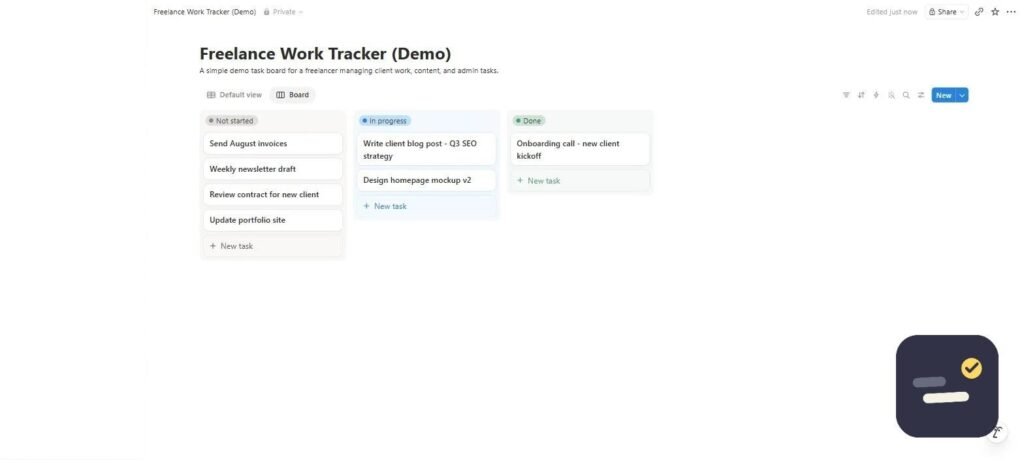
Between classes, assignments, and projects, students juggle a lot of scattered information. Notion AI helps write and organize notes, manage assignment deadlines, and summarize long reading material inside one connected workspace. If you want the full setup, here is how I organize my work in Notion, step by step.
Pricing: Free for individuals. See our full Notion AI review for the 2025 pricing changes worth knowing about.
3. Grammarly — Best for Polishing Essays
Grammarly catches grammar, clarity, and tone issues across essays and reports, helping academic writing read as polished and professional. It works wherever students write, not just inside one document editor.
Pricing: Free tier is genuinely usable. See our full Grammarly review.
4. QuillBot — Best for Paraphrasing & Research Notes
QuillBot rephrases sentences and condenses long research material into shorter notes, which is genuinely useful for reviewing sources quickly — with the caveat that paraphrasing tools should refine a student’s own writing, not replace it, to avoid unintentional plagiarism.
Pricing: Free version available; premium starts around $6.25/month for students.
5. NotebookLM — Best for Source-Grounded Research
NotebookLM lets students upload lecture slides, research papers, and textbook chapters, then ask questions answered strictly from those uploaded sources rather than general web knowledge — reducing the risk of confidently wrong AI answers that plague more general-purpose tools.
Pricing: Free from Google.
Best AI Tools for Students: Using Them Responsibly
The tools above split into two categories worth knowing apart: source-grounded tools like NotebookLM that show their work, and general-purpose tools like ChatGPT that can sound confident while being wrong. Use AI as a study partner that helps you engage with material — ask it to quiz you, explain a concept differently, or summarize a source — rather than a shortcut that produces a finished assignment without you understanding the underlying material. Most academic integrity policies distinguish clearly between the two uses.
Frequently Asked Questions
What are the best free AI tools for students?
ChatGPT, Notion AI, Grammarly, QuillBot, and NotebookLM all have genuinely usable free tiers that cover most student needs without paying anything.
Is it okay to use AI tools for schoolwork?
It depends on your school’s academic integrity policy and how the tool is used. Using AI to understand a concept or check grammar is generally accepted; using it to write an entire assignment usually isn’t.
Which AI tool is best for research papers specifically?
NotebookLM, since it grounds every answer in the specific documents you upload rather than general web knowledge, reducing the risk of fabricated citations or facts.
Many universities now publish their own AI-use guidelines directly — Oxford’s student guidance on AI is a useful example of how one institution draws the line between acceptable and unacceptable use. Checking your own school’s policy before relying on any of the best AI tools for students listed above is worth the five minutes it takes.
One habit matters more than which tool you pick: always treat AI output as a first draft, not a final answer, especially for anything graded. The best AI tools for students save real time on brainstorming, summarizing, and organizing, but the understanding still has to come from you — professors and exam questions notice the difference quickly.

Written by Ivan T.
Founder of StackToolsHQ. Writes hands-on reviews and comparisons of productivity and AI tools for freelancers, small teams, and remote workers. More about this site.